




Introduction to Artisan Pizza Dough
When it comes to pizza, there’s just something about a homemade pie that hits differently. You might wonder, why make artisan pizza dough at home? The answer is simple — it allows for creativity, customization, and, honestly, a few culinary bragging rights. There’s a unique satisfaction that comes from creating something from scratch, and pizza dough is your blank canvas.
The Joy of Crafting in Your Kitchen
Making your own artisan pizza dough can transform a regular weeknight into a delightful cooking experience. Instead of reaching for the store-bought alternatives, take a moment to savor the process. Not only will you gain insight into the ingredients you’re using, but you’ll also tailor the flavors to suit your preferences. Imagine adding herbs like fresh basil or oregano directly into the dough—now that’s a personal touch!
Plus, the benefits extend beyond taste. According to the American Heart Association, homemade meals can significantly reduce sodium and unhealthy fats in your diet. When you make pizza dough yourself, you control every element, ensuring that you’re creating a balanced meal that feels good and nourishes your body.
Cost-Effective Deliciousness
Restaurant pizzas can add up quickly. Did you know that making your own artisan pizza dough can save you money? The basic ingredients—flour, yeast, salt, and water—are incredibly inexpensive. With just a little bit of effort, you’ll have enough dough for multiple pizzas, meaning you can impress friends, celebrate special occasions, or simply treat yourself without breaking the bank.
Experiment with Flavors and Textures
Another advantage to making your own pizza dough is the freedom to experiment with flavors. Perhaps you want to go for a whole wheat version or even try adding a hint of garlic or fennel seeds. You can always dive deeper into the art of fermentation; who doesn’t love a good sourdough pizza? The possibilities are endless!
By embracing the craft of artisan pizza dough, you’ll not only elevate your pizza night but also connect more intimately with the cooking process. So roll up your sleeves, gather your ingredients, and let’s dive into a delicious adventure!
Ingredients for Artisan Pizza Dough
Essential ingredients for the perfect crust
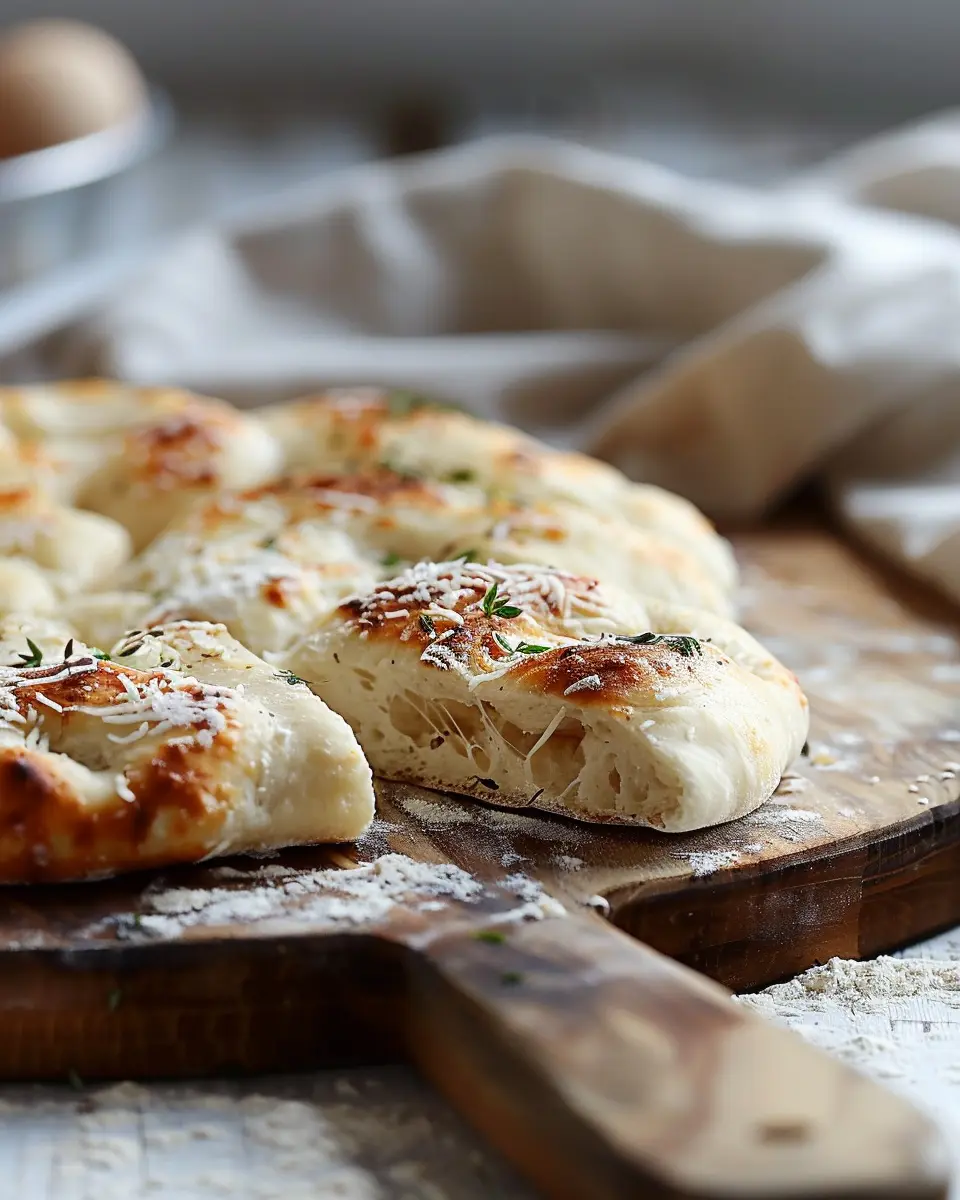
Creating a delicious artisan pizza dough starts with a handful of essential ingredients that work in harmony to produce that perfect crust. Here’s what you’ll need:
- High-protein flour: Look for bread flour or all-purpose flour with a protein content of around 12% or more. This will give your dough the structure it needs.
- Water: Use lukewarm water to activate the yeast properly. Ideally, it should be around 100°F (38°C) for optimal fermentation.
- Yeast: Instant yeast or active dry yeast will do the trick. These are crucial for that airy, light crust.
- Salt: A vital ingredient for flavor. Sea salt is often recommended for its taste and texture.
- Olive oil: A touch of olive oil adds richness and helps with texture.
Optional ingredients for extra flavor
Once you’ve nailed the basics, you might want to consider these optional ingredients to enhance your artisan pizza dough:
- Honey or sugar: Adding a small amount can feed the yeast, promoting a better rise and a subtly sweet flavor.
- Herbs and spices: Incorporating dried oregano, garlic powder, or even a pinch of red pepper flakes can elevate your dough’s taste.
- Whole wheat flour: Mixing in whole wheat flour can add a nutty flavor and increase the nutritional value.
By combining these ingredients, you’re well on your way to crafting a fantastic artisan pizza dough that’s sure to impress! Want to dive deeper into dough-making? Check out this dough tutorial for tips.
Preparing Artisan Pizza Dough
Creating your own artisan pizza dough at home is a rewarding experience that can elevate your pizza game to new heights. With just a few simple ingredients and some time, you’ll be able to whip up dough that rivals your favorite pizzeria. Let’s dive into the steps you need to take for that perfect, chewy crust.
Gather your ingredients
Before you get started, it’s essential to gather all the necessary ingredients. Here’s a simple list to ensure you’re well-prepared:
- 4 cups of all-purpose flour (plus extra for dusting)
- 1 ½ teaspoons of salt
- 1 packet (2 ¼ teaspoons) of active dry yeast
- 1 ¾ cups of warm water (about 110°F)
- 1 tablespoon of sugar
- 2 tablespoons of olive oil
Having everything on hand will not only make the process smoother but will also help you avoid any last-minute trips to the store.
Mix the dry ingredients
In a large mixing bowl, combine your dry ingredients: the flour, salt, and active dry yeast. Make sure to whisk them together thoroughly. “Why mix the yeast with the flour instead of activating it separately?” you might ask. Mixing it with the dry ingredients provides a more even distribution throughout the dough, giving your artisan pizza that perfect rise and texture.
At this stage, adding a whisk to your cooking arsenal can be a game-changer. For tips on cultivating your cooking skills, check out these cooking resources.
Combine wet ingredients
Next, in a separate bowl, mix your warm water, sugar, and olive oil together. Stir until the sugar is fully dissolved, then gradually add this mixture to your dry ingredients. The warmth of the water helps activate the yeast, giving your dough that airy, fluffy consistency we all love.
Take a moment to appreciate how simple it is to combine these ingredients. Cooking doesn’t have to be complicated; often, the best dishes come from the most basic combinations.
Knead the dough
Now, let’s get hands-on! Dust your countertop lightly with flour and turn your dough out onto the surface. It’s time to knead! Fold, stretch, and press the dough for about 8-10 minutes. You’re looking for a smooth, elastic texture. If it feels sticky, add a bit more flour as needed. The act of kneading is what develops the gluten, which is crucial for achieving that perfect crust.
If kneading by hand doesn’t appeal to you, don’t hesitate to use a stand mixer with a dough hook. Just remember, using your hands can be a therapeutic experience!
Let the dough rise
After kneading, place your dough in a greased bowl, cover it with a clean kitchen towel, and let it rise in a warm area for about 1-2 hours. This resting period is crucial because it allows the dough to double in size. Keep an eye on it; there’s something magical about watching it grow!
Pro tip: If it’s a chilly day, you can place the bowl in an oven that’s turned off with just the light on to create a warmer environment.
Shape the dough
Once your dough has risen beautifully, it’s time to shape it. Gently punch it down to release excess air, then turn it onto a floured surface. Divide it into smaller portions, shaping each one into a ball. You should end up with about four 10-inch pizza crusts.
At this point, you can either use your dough immediately or wrap it tightly and store it in the fridge for up to three days or freeze for later use. This flexibility means you can always have fresh artisan pizza dough ready to go when the pizza cravings strike!
Conclusion: With these steps, you’re well on your way to creating artisan pizza dough that will impress even the pickiest pizza lovers. Enjoy the process, and don’t hesitate to experiment with different toppings and sauces!
Variations on Artisan Pizza Dough
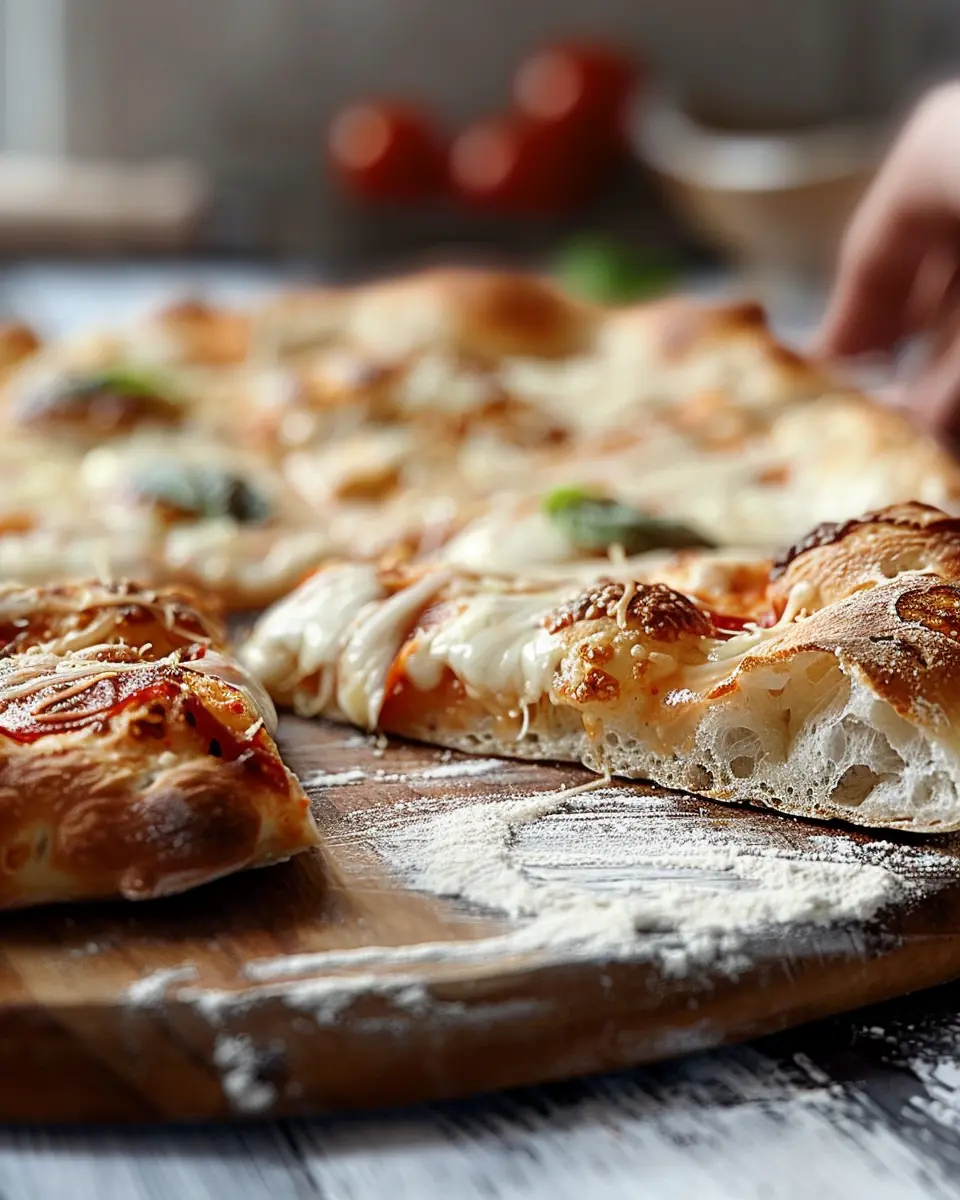
When it comes to artisan pizza dough, the classic recipe is just the beginning. There are plenty of ways to diversify your dough, making it suitable for different diets and preferences. Here are two popular variations to consider.
Whole Wheat Artisan Pizza Dough
If you’re looking to amp up the health factor, whole wheat artisan pizza dough is an excellent choice. Swapping out all-purpose flour for whole wheat flour offers not only a nuttier flavor but also increases the fiber content. This makes it a great option for those aiming to maintain a balanced diet.
Pro Tips:
- Start with a 50/50 mix of whole wheat and all-purpose flour for a light transition.
- Hydration is key; whole wheat flour absorbs more water, so you might need to increase your liquid.
- This dough is perfect for rustic-style pizzas topped with seasonal vegetables and lean proteins like grilled chicken or turkey bacon.
For more insights on incorporating whole grains into your diet, consider checking out Whole Grains Council.
Gluten-Free Artisan Pizza Dough
For those navigating gluten sensitivities, gluten-free artisan pizza dough offers a delicious alternative. With a combination of gluten-free flours like almond, oat, or brown rice flour, you can create a dough that still provides a great texture and taste.
Key Considerations:
- Use a binding agent, such as xanthan gum or psyllium husk, to mimic the elasticity of gluten.
- Opt for additional ingredients like herbs or garlic powder for extra flavor.
- This dough pairs beautifully with toppings like pesto, fresh vegetables, and chicken ham.
For more information on gluten-free cooking, a great resource is Celiac Disease Foundation.
By exploring these artisan pizza dough variations, you can enjoy a delicious pizza night that caters to everyone’s dietary needs—making for a fun and inclusive culinary experience.
Cooking Notes for Artisan Pizza Dough
Making artisan pizza dough can be a delightful but nuanced process. Here are some cooking notes to ensure your pizza-making experience is as enjoyable and successful as possible:
Flour Selection Matters
Using a high-protein flour, like bread flour, gives your dough that beautiful chew and structure. If you can find “00” flour, even better! It’s a staple for authentic pizza.
Kneading for Success
Don’t skimp on kneading—it’s crucial for gluten development. Aim for about 10 minutes by hand, or let your stand mixer do the work for around 7 minutes. This builds the strength of your dough.
Temperature Guidelines
Warm water (about 110°F) activates your yeast and helps the dough rise. But too hot can kill yeast—they’re surprisingly delicate!
Rising Time and Storage
Allow your dough to rise for at least 1-2 hours at room temperature. For deeper flavor, try cold fermentation in the fridge for up to 72 hours. Just remember to bring it back to room temperature before stretching!
For more insights on baking techniques, consider checking out resources like the American Institute of Baking for expert guidance.
With these tips, your homemade artisan pizza dough is sure to impress friends and family! Happy baking!
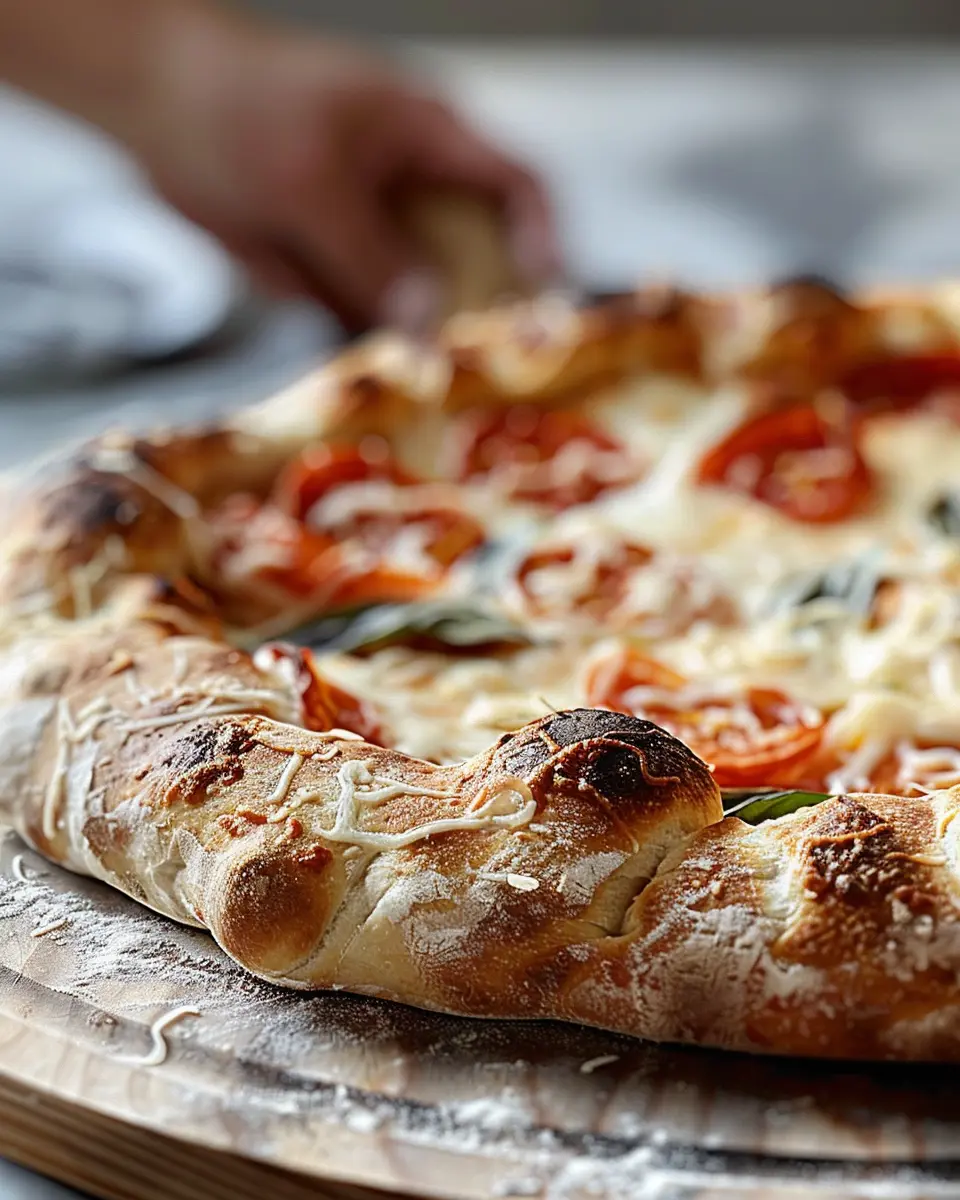
Serving Suggestions for Artisan Pizza Dough
Topping Ideas for Gourmet Pies
When it comes to artisan pizza dough, the sky’s the limit! Think of toppings that inspire creativity and excitement. Here’s a list to consider:
- Creamy Ricotta and Spinach: A light spread of ricotta topped with fresh spinach and a sprinkle of nutmeg.
- Turkey Bacon and Avocado: Crispy turkey bacon alongside creamy avocado for that perfect crunch and flavor.
- Mediterranean Delights: Use feta cheese, olives, sun-dried tomatoes, and fresh parsley to create a flavorful twist.
- BBQ Chicken Ham Feast: Mix shredded chicken ham with BBQ sauce and red onions for a smoky, tangy delight.
By exploring different combinations, you can craft your ideal pizza masterpiece every time!
Pairing Artisan Pizza with Sides
To elevate your meal, consider pairing your artisan pizza with these delectable sides:
- Fresh Garden Salad: Toss together greens, cherry tomatoes, and cucumbers drizzled with a light vinaigrette.
- Garlic Breadsticks: Soft and buttery, they are the perfect accompaniment to balance the pizza’s flavors.
- Roasted Veggies: A side of seasonal roasted veggies adds color and nutrition to your feast.
Why not experiment further? Consider trying a refreshing lemonade or iced tea to cleanse the palate after indulging in your gourmet creations. Each bite of your artisan pizza dough is sure to be a delightful experience! For more inspiration, check out Pizza Today for additional topping ideas and serving styles.
Tips for Making Perfect Artisan Pizza Dough
Crafting the ideal artisan pizza dough can be a rewarding experience, but it requires attention to detail. Let’s discuss some tips to elevate your dough-making game.
Avoiding Common Mistakes
Creating artisan pizza dough starts with using the right ingredients. Always opt for high-quality flour; a bread flour or ‘00’ flour is ideal for that chewy texture. Here are some common pitfalls to sidestep:
- Incorrect Measurements: Use a food scale for precision. Too much or too little flour can throw off the dough.
- Water Temperature: Yeast thrives in the right temperature—aim for lukewarm (around 100°F). If it’s too hot, you risk killing the yeast.
- Kneading Too Little: Don’t rush this step! Knead until the dough is smooth and elastic—this usually takes about 8-10 minutes.
For more insight on pizza-making techniques, check out resources from Serious Eats.
Storing Leftover Dough
If you make more dough than needed, don’t fret! Leftover artisan pizza dough can be stored in several ways:
- Refrigeration: Wrap the dough tightly in plastic wrap and store it in the fridge for up to three days. This can actually improve flavor as it ferments slightly.
- Freezing: For longer storage, freeze the dough. Portion it into balls, wrap each in plastic, and place them in a freezer bag. It will last up to three months. Just thaw in the refrigerator overnight before use!
With these tips, you’re well on your way to mastering artisan pizza dough. Happy baking!
Time details for Artisan Pizza Dough
Preparation time
Making your artisan pizza dough is a breeze! You’ll need about 10-15 minutes for mixing and kneading the ingredients. Gather your flour, water, yeast, and salt for a quick and satisfying session.
Rising time
Now comes the fun part—waiting! Allow the dough to rise for 1-2 hours in a warm spot until it doubles in size. This step is crucial for that delightful chewy texture we all love. You can even let it rise overnight in the fridge for deeper flavor!
Total time
If you add up the preparation and rising times, you’re looking at around 1.5 to 2 hours total, not including baking time. For more detailed guidance, check out expert resources on dough rising times. You’ll be rewarded with incredible homemade pizzas you’ll actually want to show off!
Nutritional information for Artisan Pizza Dough
When you’re whipping up a delicious artisan pizza dough, it’s wise to keep an eye on the nutritional breakdown. Understanding what you’re working with can help you enjoy your meal even more! Let’s dive into the numbers.
Calories
A typical serving of artisan pizza dough contains around 250 calories. This gives you a hearty base without overloading your meal.
Carbohydrates
With approximately 50 grams of carbohydrates per serving, this dough provides the energy needed for a lively evening or a busy day. Carbohydrates are essential for fueling our bodies, especially for active young professionals.
Protein
Each serving packs in about 8 grams of protein. While it may not be a complete source, pairing your pizza with protein-rich toppings like chicken ham or turkey bacon can help round it out nicely.
For additional insights, check out the USDA’s database on pizza nutrition to get detailed facts on various pizza components. Remember, moderation is key when enjoying your artisan pizza dough creation!
FAQs about Artisan Pizza Dough
How can I improve the texture of my pizza dough?
The texture of your artisan pizza dough can be enhanced with a few simple tips:
- Use High-Protein Flour: Opt for bread flour, which has a higher protein content than all-purpose flour. This creates a chewier crust.
- Hydration Levels: Experiment with water ratios; a wetter dough can yield a lighter, airier crust. Consider starting with 65-70% hydration.
- Kneading Technique: Knead your dough effectively to develop gluten structure. A good rule of thumb is about 10-15 minutes of kneading.
- Fermentation Methods: Incorporate a longer fermentation process, allowing the dough to rise slowly in the fridge overnight. This can deepen flavors and improve texture.
For more fabulous tips, check out this detailed guide from the King Arthur Baking Company.
Can I make artisan pizza dough in advance?
Absolutely! In fact, making artisan pizza dough in advance can often lead to better flavors and textures. Here’s how:
- Refrigeration: After kneading, let your dough rise for one to two hours at room temperature. Then, punch it down, shape it into balls, and store it in the fridge for up to 3 days.
- Freezing: Want to prep even further ahead? Freeze your dough after the first rise. Simply wrap it tightly in plastic and store it in the freezer. When you’re ready to use it, thaw it in the fridge for 24 hours and let it come to room temperature before stretching.
What are the best toppings for homemade pizza?
Toppings are where you can really get creative! Here are some crowd favorites for your artisan pizza dough:
- Classic Margherita: Fresh basil, sliced tomatoes, and mozzarella.
- Mediterranean: Feta, olives, spinach, and artichokes for a vibrant flavor.
- Turkey Bacon & Chicken Ham: A twist on classic combinations, paired with your choice of cheeses and fresh veggies.
Experiment with flavors to discover your unique blend. Don’t hesitate to take inspiration from local pizzerias or global cuisines—your pizza, your rules!
Conclusion on Artisan Pizza Dough
When it comes to making exceptional artisan pizza dough, simplicity shines through. By mastering this recipe, you’re not just creating a delicious base for your toppings; you’re igniting a passion for homemade pizza that can impress friends and family alike.
Embrace the Process
Remember, the key to great dough lies in patience and practice. Allow your dough to proof correctly and enjoy the magical transformation that occurs. This fundamental skill will elevate your culinary repertoire, inviting endless creative possibilities. Plus, exploring various topping combinations will keep your pizza nights exciting!
For further inspiration, you might want to check out Serious Eats for pizza topping ideas and other crafting techniques. Happy pizza making!
PrintArtisan Pizza Dough: The Easy Way to Elevate Your Homemade Pizzas

The perfect artisan pizza dough recipe that takes your homemade pizzas to the next level.
- Prep Time: 15 minutes
- Cook Time: 15 minutes
- Total Time: 2 hours 30 minutes
- Yield: 2 pizzas 1x
- Category: Main Dish
- Method: Baking
- Cuisine: Italian
- Diet: Vegetarian
Ingredients
- 4 cups all-purpose flour
- 1 1/2 cups warm water
- 2 teaspoons salt
- 1 teaspoon sugar
- 2 teaspoons active dry yeast
- 2 tablespoons olive oil
Instructions
- In a bowl, combine warm water, sugar, and yeast. Let it sit for 5-10 minutes until foamy.
- Add flour, salt, and olive oil to the yeast mixture. Mix until a dough forms.
- Knead the dough on a floured surface for about 10 minutes until smooth.
- Place the dough in a greased bowl, cover, and let it rise for 1-2 hours or until doubled in size.
- Punch down the dough, then shape it into pizza bases.
- Bake in a preheated oven at 475°F for 10-15 minutes or until golden.
Notes
- For extra flavor, let the dough rise in the refrigerator overnight.
- Use a pizza stone for a crispier crust.
Nutrition
- Serving Size: 1 slice
- Calories: 210
- Sugar: 0.5g
- Sodium: 200mg
- Fat: 5g
- Saturated Fat: 1g
- Unsaturated Fat: 3g
- Trans Fat: 0g
- Carbohydrates: 38g
- Fiber: 2g
- Protein: 6g
- Cholesterol: 0mg
Keywords: Artisan Pizza Dough, Homemade Pizza, Pizza Recipe